Choosing a video production company in Manila is a little like casting a lead role. On paper, plenty of candidates look right. They have the camera list, the reel, the confident pitch. But the real question is simpler and harder: will this team understand your story, and will they still be with you, calm and prepared, on the long day when things go sideways?
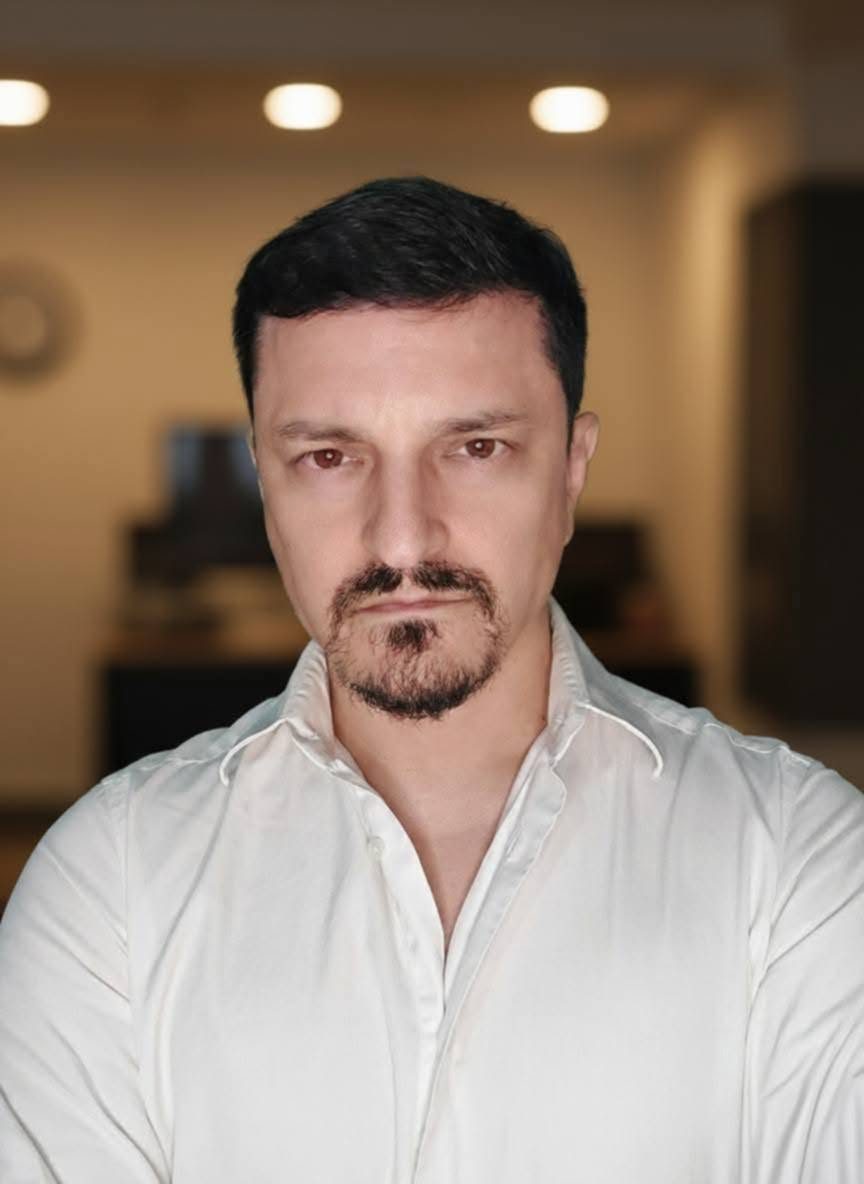
At iChill Productions we have sat on both sides of that table. Our founder, Kuya Manzano, has spent 28 years in the business as a producer, director, actor, casting director and writer, in Spain and, since 2011, in the Philippines. He has hired crews and been hired by them. That experience shapes how we think about the question, and it is what we want to share here: a practical way to choose a video production partner in Manila, and an honest look at how we approach a project ourselves.
Start with the story, not the gear
The first conversation with a production company should be about what you want people to feel and do after watching. A launch video, a brand film, a short for festivals and a set of social ads are four very different jobs. A good partner will ask about your audience, where the video will live, how long it should be, and what success looks like before anyone mentions lenses.
If the first thing you hear is a list of equipment, gently steer the talk back to the idea. Cameras matter, but they are the easiest part of the job to rent. Judgment is not.
Look at the reel, then look past it
Every company has a reel, and every reel is the best ninety seconds of years of work. Watch it, then ask for two or three complete pieces that are close to what you need. A full video tells you far more than a montage: how the story is paced, whether the sound is clean, whether the ending lands.
Ask what the team actually did on each piece. Did they write it, direct it, shoot it, edit it, or only one of those? There is nothing wrong with a company that specialises, but you should know who will be responsible for what on your project.
Questions worth asking before you sign
- Who will be my day-to-day contact, and who will direct?
- Will you help with the script or concept, or do you need it finished?
- How do you handle casting, locations and permits?
- What does your schedule look like from first meeting to final delivery?
- How many rounds of revisions are included, and at what stage?
- What files will I receive, in which formats, and who owns them?
- Can you work in English and Filipino, or in other languages if we need them?
The answers do not need to be perfect. They need to be clear. A production company that explains its process plainly is usually one that runs its sets the same way.
Understand the three stages
Almost every video, from a thirty-second ad to a feature film, moves through the same three stages.
Pre-production is where most of the real work happens: the idea, the script, the shot list, casting, locations, scheduling and the many small decisions that make a shoot day run smoothly. When a project feels rushed or confused on set, the cause is almost always a thin pre-production.
Production is the shoot itself. This is the most visible stage and often the shortest. A well-planned day is calm. People know where to stand, what comes next and when to stop.
Post-production is editing, sound, music, colour and graphics. It is where the story is finally written for the second time. Leave enough time for it, and agree in advance how feedback will be given.
When you compare companies, ask how much time and attention each one puts into pre-production. It tells you a lot.
Casting is half the film
People forget how much of a video’s success depends on the faces in it. A brand film with the wrong spokesperson, or an ad where the actors do not believe their own lines, will not be rescued by beautiful lighting.
Ask how the company finds talent, whether they run auditions or callbacks, and whether they can cast for specific needs such as Spanish-speaking or European roles. Casting is something we care about deeply; Kuya has worked as a casting director for Dojo TV and for opera and zarzuela productions in Spain, and as a casting associate for Rainbow Modelling Agency in the Philippines.
Fit matters more than size
A large company brings capacity. A smaller studio brings closeness and flexibility. Neither is automatically better. Think about the scale of your project and the kind of relationship you want. If you want to be involved in every creative decision, a smaller, senior team may suit you. If you need many deliverables across many platforms at once, you may need more hands.
What matters most is that the people you meet in the pitch are the people who will make your video.
How we work at iChill Productions
We are a small, committed studio for film, theatre and content, based in Manila and working in English and Spanish. Here is how a project usually runs with us.
1. Listen
We start with a conversation about your story, your audience and your goals. No script is required at this stage, only curiosity on both sides.
2. Shape
We develop the concept and, if you need it, write the script. We agree on the format, length, schedule and deliverables in plain language, so everyone knows what is being made.
3. Prepare
Casting, locations, crew and the shot plan come together here. We would rather spend an extra day preparing than lose a day on set.
4. Shoot
On the day, we keep the set focused and kind. Good work comes from people who feel safe enough to try things.
5. Finish
We edit, shape the sound and deliver the files in the formats you need, with time for your feedback built into the schedule.
What we have made
Our own film work includes the feature film Changing Direction (Cambio de Sentido), written, directed and produced by iChill, which premiered at Festival del Sol at TEA Tenerife Espacio de las Artes on 1 February 2010 and was an official selection at Festival del Sol (Spain) and El Lugar Sin Límites (Ecuador). It was filmed in Spain and the Philippines, with production starting in 2009 and post-production completed in the Philippines in 2014. We also made the Spanish short film Marriage War (En el amor y en la guerra).
For several years we also ran the iChill Manila International Film Fest from our venue in Sampaloc. You can read about one of its editions in our January 2018 festival wrap-up. Watching hundreds of films from filmmakers around the world taught us a great deal about what makes a story hold an audience, and what makes one lose it.
A short checklist
Before you choose a video production company in Manila, make sure you can answer yes to these:
- I have seen complete work similar to what I need.
- I know who will direct and who my contact is.
- The schedule includes real time for pre-production and post-production.
- Casting has a clear plan.
- Revisions, deliverables and ownership are written down.
- I trust these people to tell me when an idea is not working.
That last point is the one most people skip. The right partner will be honest with you early, while changes are still cheap.
Planning a project? Tell us about it
If you are planning a film, a brand video or a story-led campaign, we would be glad to hear about it. See our Film Production services, browse the Portfolio, or learn more about iChill and our founder.